
10 Ways to Cut Fuel Costs and Save Money on Gas
10 Ways to Cut Fuel Costs and Save Money on Gas
Posted on March 31, 2026
Top 10 Ways to Cut Fuel Costs and Save Money at the Pump
When gas prices go up, most drivers start looking for easy ways to spend less at the pump. A few small changes like checking your tire pressure, keeping up with maintenance, and driving a little smoother can help more than you might think. And if your current vehicle is starting to cost too much at the pump, it might be a good time to look at something more efficient.
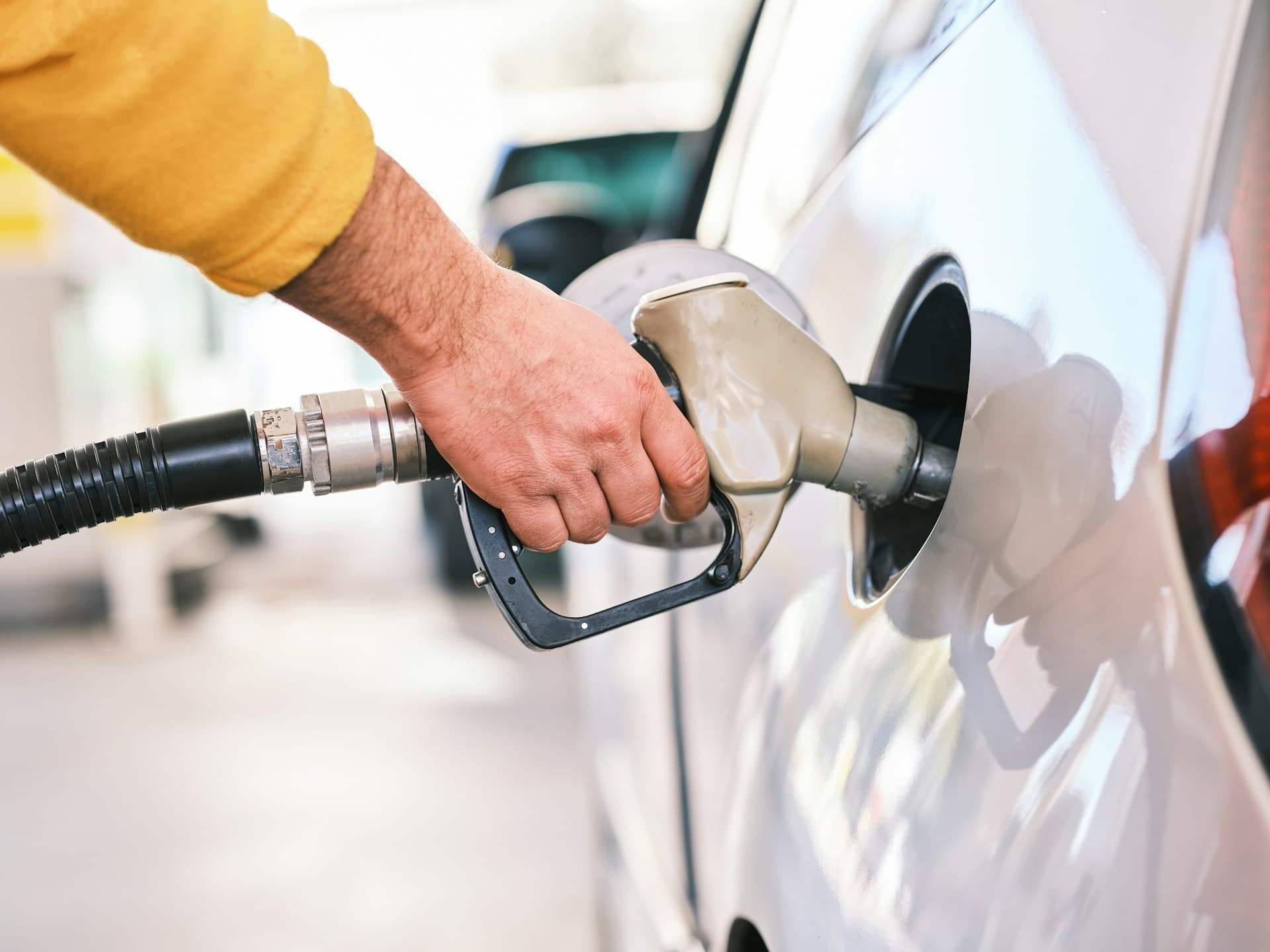
Here are some simple, effective ways to spend less on gas.
1. Check Your Tire Pressure Regularly
Tire pressure has a direct impact on fuel economy, and it is one of the easiest things to overlook. When tires are underinflated, they create more rolling resistance, which means your engine has to work harder and use more fuel.
That is especially true in Saskatoon, where temperature swings can cause tire pressure to change more often than many drivers realize. Keeping your tires properly inflated can help improve fuel efficiency, support better handling, and reduce premature tire wear.
That's why it's a good idea to check your tire pressure regularly, even if your vehicle has a tire pressure monitoring system. Make sure your tire pressure matches the manufacturer’s recommendation, which you can usually find on a sticker inside the driver’s door opening.
2. Stay on Top of Routine Maintenance
A vehicle that is properly maintained will usually run more efficiently than one that is overdue for service.
Simple items like oil changes, wheel alignments, and scheduled inspections all play a role in how efficiently your engine operates. If your vehicle is not running as well as it used to, or if it feels sluggish, maintenance could be part of the solution.
Keeping up with regular service can help protect your fuel economy and may also help you avoid larger repair bills later. If your vehicle isn't performing like it used to, or you think it may be due for a tune-up, please contact our auto repair & service team for a consultation.
3. Drive at a Steady Speed
Aggressive driving habits can make a major difference in how much fuel you use.
Rapid acceleration, hard braking, and constant changes in speed all force your engine to work harder. A smoother approach behind the wheel helps reduce fuel consumption. On the highway, maintaining a consistent speed is one of the best ways to save fuel. If your vehicle has cruise control, using it on longer stretches of open road can help keep your speed steady and avoid unnecessary fuel use.
And when it's safe to do so, letting your vehicle coast can help too. Most modern fuel-injected vehicles use a system called Deceleration Fuel Cut-Off, or DFCO. When you take your foot off the accelerator while the vehicle is still in gear, the system can temporarily stop sending fuel to the engine as you slow down. Just be sure to use this only when it makes sense and always drive safely.
4. Slow Down on the Highway
Even small increases in highway speed can lead to noticeably higher fuel consumption.
The faster you drive, the more friction and resistance your vehicle has to push through. That means your engine has to work harder and burn more fuel. Driving a bit slower may only add a few minutes to your trip, but over the course of a year, it can help reduce your fuel bill.
If you do a lot of highway driving, this is one of the simplest changes you can make.
5. Avoid Unnecessary Idling
Idling burns fuel while your vehicle is not going anywhere.
If you are waiting in a parking lot, sitting outside a school, or warming up your vehicle longer than necessary, those minutes can add up quickly over time. Cutting down on unnecessary idling is an easy way to reduce fuel costs without changing your routine very much.
During colder Saskatchewan weather, it is especially important to be mindful of long warm-ups. In many cases, modern vehicles do not need nearly as much idle time as drivers think.
6. Use ECO Mode If Your Vehicle Has It
Many newer vehicles include an ECO mode designed to help improve efficiency.
Depending on the vehicle, this setting may soften throttle response, adjust transmission behaviour, or reduce energy use from certain systems. It may seem like a small change, but it can help make efficient driving easier, especially in city traffic or stop-and-go conditions.
If your vehicle has an ECO mode, it's worth using it regularly.
7. Use the Right Fuel for Your Vehicle
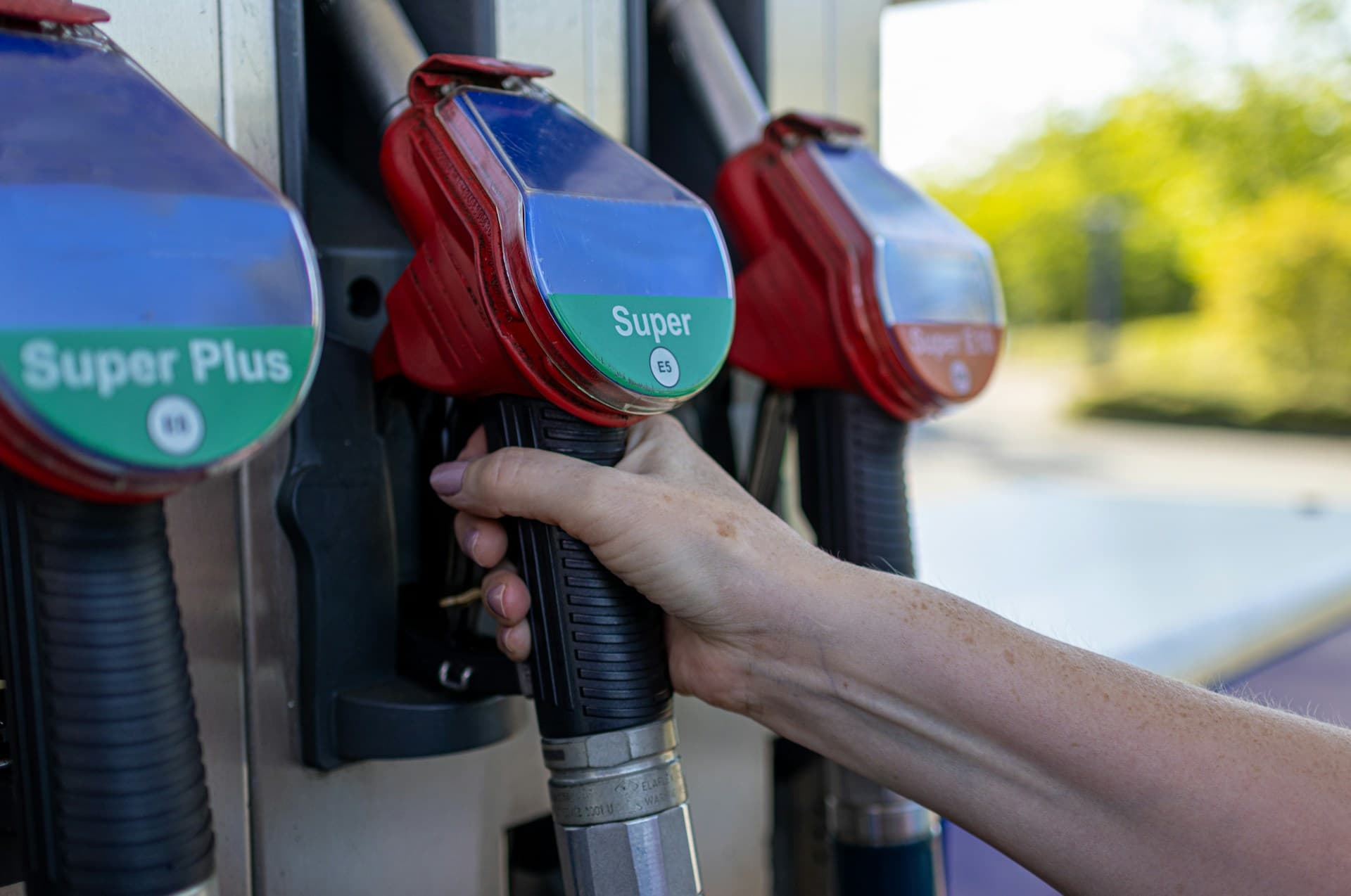
Some drivers assume premium fuel is always the better choice, but that is not necessarily true.
If your vehicle is designed to run on regular gasoline, paying extra for premium will not provide any real benefit. Checking your owner’s manual can help you avoid spending more than necessary every time you fill up.
8. Remove Extra Weight and Drag
The more weight your vehicle carries, the more fuel it needs to move.
If you have unnecessary gear sitting in the cargo area, trunk, or back seat, cleaning it out can help. Roof racks and cargo carriers can also increase aerodynamic drag, especially at highway speeds, so removing them when they are not needed may improve fuel efficiency.
9. Combine Trips When You Can
Short trips tend to use more fuel because your vehicle has not had enough time to reach peak operating efficiency.
Combining errands into one outing instead of making several separate trips can help reduce the amount of fuel you use throughout the week. It is a small habit change, but it can make a noticeable difference.
10. Know When It Might Be Time for a More Fuel-Efficient Vehicle
While maintenance and driving habits can help lower your fuel costs, there comes a point when your vehicle itself may be the biggest reason you are spending so much at the pump.
If your current vehicle has high fuel consumption, requires frequent repairs, or no longer fits your driving needs, moving into something more fuel efficient could be a smart financial decision.
This is especially worth considering if:
- You have a long daily commute
- You do more city driving than highways
- Your fuel bills keep climbing month after month
- Your current vehicle is older and becoming more expensive to maintain
- You want to lower your overall cost of ownership, not just your fuel bill
A more fuel-efficient car, SUV, or crossover could help you save money every week, not just when gas prices spike. And depending on what you drive now, the difference may be bigger than you expect.
Thinking About a Change? This Could Be a Good Time
If cutting fuel costs is becoming a bigger priority, this may be the right time to explore a vehicle that's better suited to your budget and driving habits.
You don't necessarily need to jump straight into a hybrid or EV to save money on fuel. Many modern gas-powered cars, compact SUVs, and even some newer used vehicles offer much better fuel economy than older models.
The key is choosing something that matches how you actually drive. For some drivers, that means downsizing from a larger SUV or truck. For others, it means replacing an aging vehicle with a newer used model that offers better efficiency, lower running costs, and updated features.
At Carget, we can help you compare vehicles based on your unique needs. We can help you look at fuel economy, everyday practicality, and long-term value so you can choose a car that makes the most sense for your lifestyle.
Final Thoughts
There are many ways to cut fuel costs, and some of the most effective ones are easy to put into practice right away. Checking tire pressure, staying on top of maintenance, driving more smoothly, and cutting down on idling can all help you save money.
But if your current vehicle is no longer efficient enough for your needs, upgrading to something more fuel efficient may be one of the smartest moves you can make.
If you are thinking about making a change, our team can help you find a vehicle that fits your budget and helps you spend less at the pump, so contact us today for a consultation!